Finesse Dental · Rancho Cucamonga
Tooth extractions in Rancho Cucamonga
Planned properly.
Not rushed through.
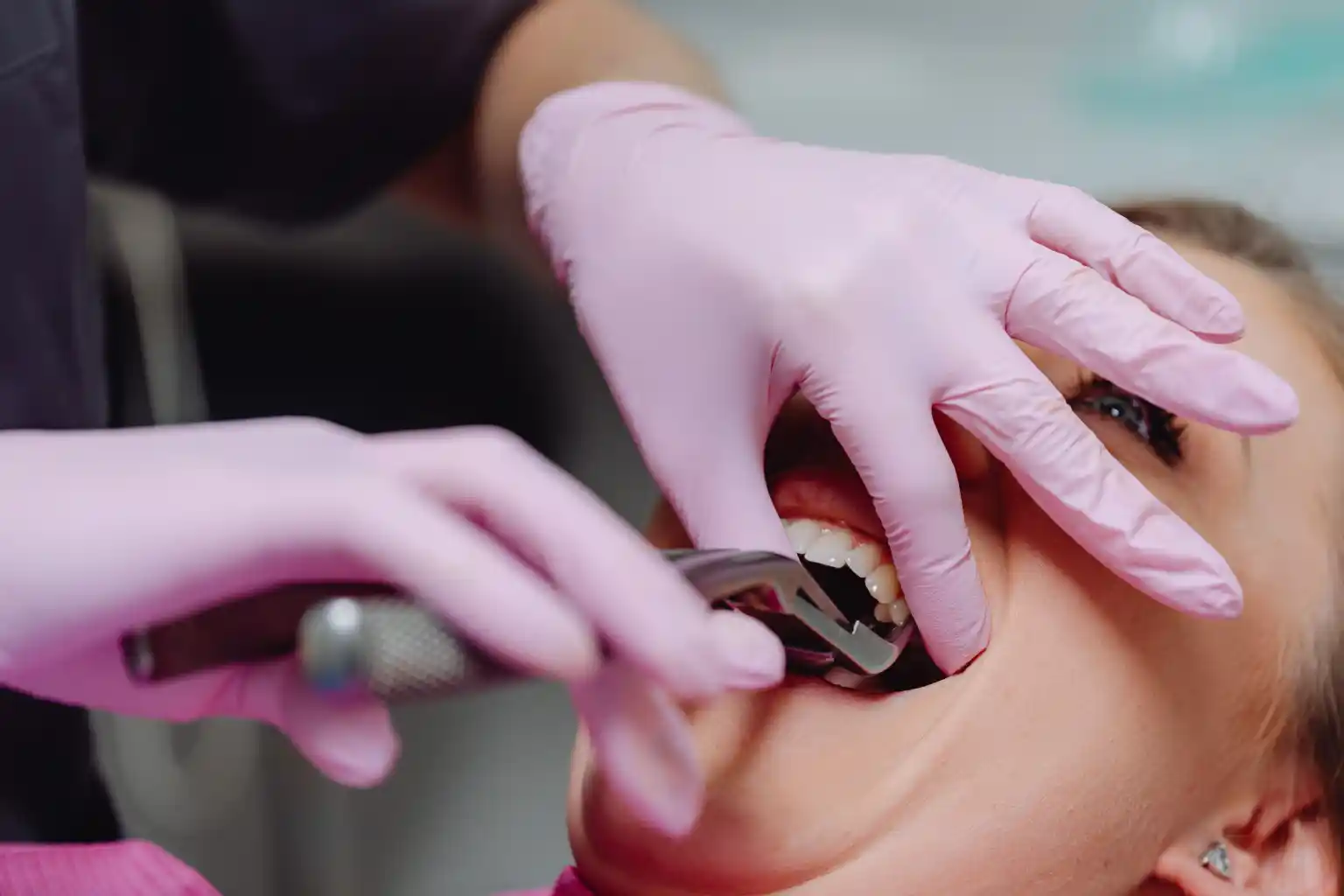
Taking a tooth out is the last option, not the first — so the assessment starts with whether it can be saved. When removal genuinely is the right answer, imaging lets us plan it rather than improvise, and we will talk through what happens to the space afterwards.
- Assessment first — saving the tooth comes first
- 3D imaging on site before surgical cases
In pain, or been told a tooth needs to come out? Call and tell us what’s going on.
Rancho Cucamonga, Alta Loma, Upland and Ontario · caring for RC since 2004
Tooth extractions
Request an extraction assessment
Leave your details and our team will call you back to arrange a time that suits you.
- One dentist who sees you from start to finish
- Costs explained in writing before treatment starts
- No account to create and nothing to print
Prefer to speak to someone now?
Appointment request · No obligation
Request an appointment
- Your details stay private
- We call you back
- Rancho Cucamonga
Before anything comes out
Can the tooth
be saved instead?
That is the first question, and it is worth asking properly. A tooth that is badly decayed, infected or broken can often still be kept — with a filling, root canal treatment or a crown. Removal makes sense when the tooth is fractured below the gum, too broken down to restore, or when the bone supporting it is too affected. We will tell you which situation you are in, and we will not push you toward removal because it is quicker.
Reviews
What our patients say
Patient experiences, shared on Google.


Let’s talk about that tooth.
Tell us what’s happening. Our team can help you check appointment availability and understand the next step.
Why teeth come out
The usual
reasons.
Some of these are urgent. Others have been building quietly for years.
Swelling that affects your breathing or swallowing, or that is spreading toward your eye or neck, is a medical emergency — go to an emergency room or call 911. For dental pain or localized swelling, call us or see the emergency page.
Options & suitability
Simple, surgical,
and wisdom teeth.
Not all extractions are the same procedure, and the difference matters for planning, comfort and recovery.
A simple extraction removes a tooth that is fully through the gum and accessible, using instruments rather than incisions.
A surgical extraction is needed when a tooth is broken at the gum line, impacted, or has awkward roots. It may involve a small incision or sectioning the tooth to remove it cleanly.
Wisdom teeth vary enormously. Some are straightforward; deeply impacted ones, or those sitting close to the nerve, can be more involved. Imaging tells us which. Where a case is better handled by an oral surgeon, we will refer rather than attempt it — ask us about scope when you come in.
All general dentistryWorth knowing
- Not every wisdom tooth needs removing — assessment decides.
- Bone grafting at the time of removal can protect later options.
- Recovery varies by case; there is no single healing timeline.
- Some cases are referred to an oral surgeon.
- Plan what replaces the tooth before it comes out, where possible.
Related treatments
What comes
next.
What happens to the space matters as much as the removal itself.
Cost & payment
What does
it cost?
Mostly a question of whether the case is simple or surgical, and which tooth. Any grafting or replacement planning is separate, and we will set that out too.
We are a PPO provider for many dental plans and we accept children’s Medicaid. Coverage differs plan by plan, so give the team your details and they will check before you book rather than guessing. Extractions are often covered in part, depending on the plan. CareCredit is available if you would rather spread a larger treatment plan.
Payment & CareCredit informationExplained before we start
- Simple and surgical cases are priced differently — we will say which yours is.
- Bone grafting, if recommended, is a separate cost explained upfront.
- Many PPO plans accepted; coverage checked before you book.
- CareCredit available for larger plans.
Also on Yelp
More patient reviews
More experiences from people who chose Finesse Dental.


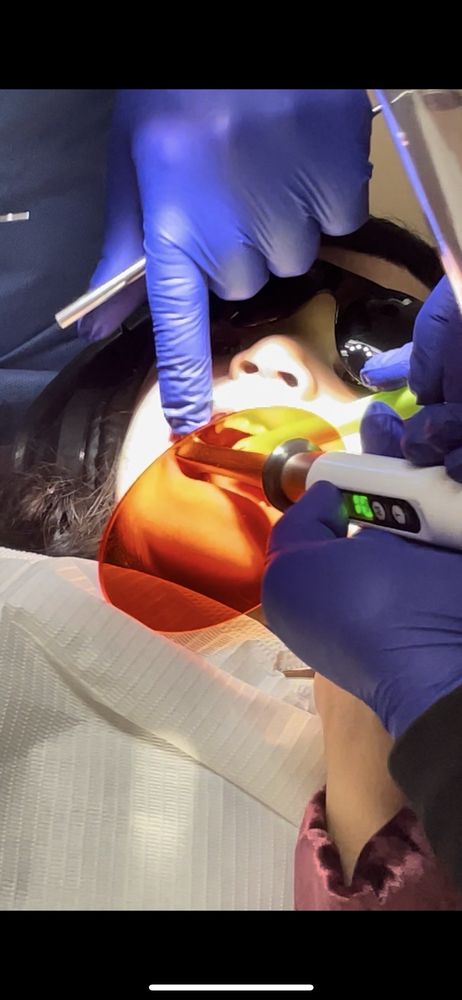


Let’s see whether it can be saved.
Finesse Dental · 8906 San Bernardino Rd, Suite 130Rancho Cucamonga, CA 91730Get directions